

Key Points
- Cellar Excavation and Extension Project Abandoned: A father-of-two named Ward and his family found themselves trapped in a structurally unsafe house in Meanwood after a building project was left unfinished.
- Financial Loss: The family paid approximately £90,000 for the cellar excavation and extension works before being informed that the builder was on the verge of bankruptcy following weeks of delays, no-shows, and moved deadlines.
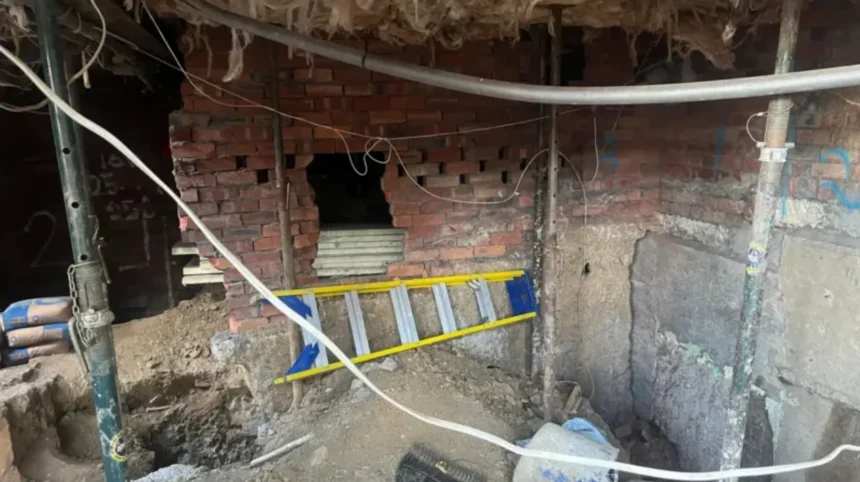
- Severe Structural Danger: During the works, a wall was removed, leaving the property supported only by a minimal number of props designed to hold just a fraction of the building’s total weight.
- Expert Warnings: Professionals who inspected the property warned that the structural setup was unbelievably dangerous, noting that the failure of even a single support could cause a catastrophic progressive collapse of the entire building.
- Vulnerable Occupants: One of the family’s children was a baby at the time, complicating efforts to find alternative accommodation while navigating the crisis.
- Liability Concerns: Other builders refused to take on the rectification work due to the extreme liability risks involved if the structure failed.
Meanwood (The Leeds Times) September 14, 2026 — A Leeds family was left stranded in a residential property described as dangerously compromised after paying approximately £90,000 for cellar excavation and extension works that were abruptly abandoned.
- Key Points
- How did the Meanwood family become trapped in a structurally compromised house?
- What were the structural hazards left behind by the builder?
- Why was it difficult for the family to relocate during the crisis?
- Background of the Development
- Prediction on How This Development Can Affect Homeowners
How did the Meanwood family become trapped in a structurally compromised house?
The ordeal began when Ward and his family initiated a home improvement project intended to expand their living space in Meanwood. However, the project quickly derailed through a series of administrative setbacks. Ward noted that after enduring weeks of delays, recurring no-shows from workers, and repeated extensions of project deadlines, he was eventually informed that the builder was on the verge of going bankrupt.
By the time the communication breakdown occurred, the family had already transferred approximately £90,000 to fund the cellar excavation and extension. The financial expenditure left them significantly out of pocket and without recourse through the original contracting channel.
What were the structural hazards left behind by the builder?
During the initial stages of construction, contractors removed a primary structural wall. To temporarily bear the load, the property was left held up by a small number of supports that engineers later confirmed were only designed to handle a fraction of the building’s actual weight.
Ward recounted the alarming assessment given by visiting specialists regarding the safety of the premises. Every individual consulted on the matter stated that the condition was unbelievably dangerous. Experts warned that if even a single support failed, it could trigger a cascading structural failure throughout the entire building, resulting in the house coming down.
Why was it difficult for the family to relocate during the crisis?
The presence of young children, including a baby at the time of the incident, severely complicated the family’s immediate response. Finding temporary accommodation on short notice while managing the financial shock of losing £90,000 presented a substantial logistical challenge.
Compounding the crisis, other construction professionals declined to step in and fix the hazardous site. Due to the extreme risks associated with the compromised load-bearing elements, alternative builders were understandably unwilling to assume the legal and physical liability should the structure collapse during remedial operations.
Explore More Local Leeds News
Leeds Equal Pay Strike Ballot 2026
LHV Bank Expands in Leeds 2026
Background of the Development
The situation highlights ongoing consumer protection and regulatory challenges within the domestic construction sector, where homeowners undertaking significant home improvements—such as cellar conversions and extensions—face financial and structural vulnerabilities if contractors experience insolvency mid-project.
Without mandatory escrow accounts or tightly regulated milestone payment structures standard in commercial contracting, domestic clients frequently find themselves exposed to unrecoverable financial losses and dangerous site conditions when small-to-medium building firms fail.
Prediction on How This Development Can Affect Homeowners
Incidents of abandoned residential projects and structural endangerment can significantly influence consumer behavior and regulatory scrutiny across the domestic building industry. Homeowners planning major renovations are likely to demand stricter contract terms, comprehensive insurance backed guarantees, and independent structural sign-offs before releasing milestone payments.
Furthermore, local authorities and trade bodies may face increased pressure to implement rigorous safety oversight for uncompleted structural works, safeguarding families from the severe financial and physical risks associated with contractor insolvency.