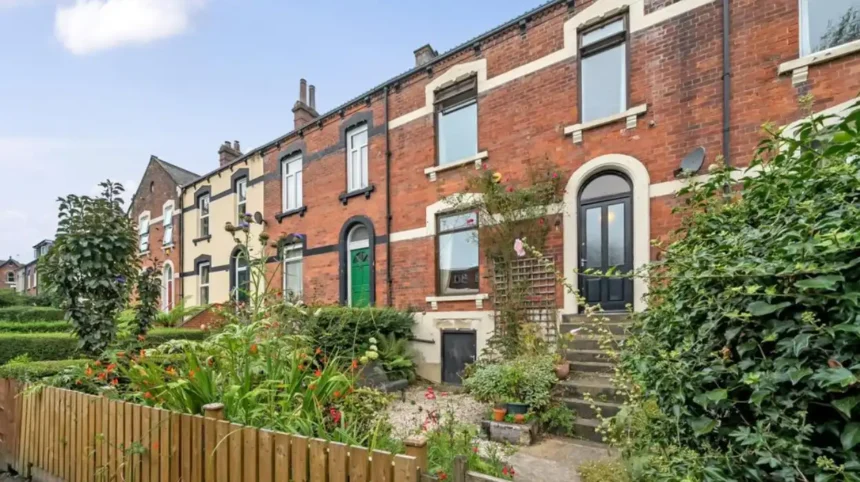
Older homes in Headingley require careful winter preparation to maintain comfortable indoor temperatures, reduce heating costs and prevent damp-related damage. Traditional Victorian and Edwardian terraces, converted flats and older stone or brick properties have different insulation requirements from modern houses. Their construction materials, ventilation arrangements, windows, roofs and heating systems influence how effectively they retain warmth.
- Why Do Older Homes in Headingley Need Special Winter Preparation?
- How Does Traditional Construction Affect Heat Retention?
- Which Older Properties Need the Most Attention?
- What Are the Most Effective Ways to Insulate an Older Headingley Home?
- How Does Loft Insulation Reduce Winter Heat Loss?
- Is Cavity Wall Insulation Suitable for Older Houses?
- Should Older Homes Have Internal or External Wall Insulation?
- How Can Floors and Pipework Be Insulated?
- How Can Homeowners Reduce Draughts in Older Headingley Properties?
- How Should Traditional Sash Windows Be Draught-Proofed?
- What Is the Best Way to Draught-Proof External Doors?
- How Can Unused Fireplaces and Chimneys Be Managed?
- How Should Older Roofs, Gutters and External Walls Be Prepared for Winter?
- What Should Homeowners Check on Traditional Roofs?
- Why Should Gutters and Downpipes Be Cleared Before Winter?
- How Can External Brickwork and Mortar Be Protected?
- How Can Homeowners Prevent Damp, Condensation and Mould During Winter?
- Why Does Condensation Develop in Older Houses?
- How Can Ventilation Reduce Mould Growth?
- How Should Mould Be Addressed?
- What Heating System Maintenance Should Be Completed Before Winter?
- Why Is Annual Boiler Servicing Important?
- How Can Radiators Heat Older Rooms More Effectively?
- Which Thermostat Settings Improve Heating Efficiency?
- How Can Older Headingley Homes Be Protected Against Frozen Pipes?
- Which Pipes Need Winter Protection?
- What Should You Do if a Pipe Freezes?
- How Should Boiler Condensate Pipes Be Protected?
- What Winter Maintenance Is Required for Traditional Windows, Doors and Timber Features?
- How Should Timber Window Frames Be Maintained?
- How Can External Doors Be Protected?
- Why Should Window Replacements Be Considered Carefully?
- What Should Tenants in Headingley Know About Preparing Older Rented Homes for Winter?
- Which Winter Repairs Are Landlords Responsible For?
- What Should Tenants Check Before Winter?
- How Should Tenants Report Damp and Mould?
- Do Conservation Rules Affect Winter Improvements to Older Headingley Homes?
- What Is a Conservation Area?
- Do Listed Buildings Have Additional Requirements?
- How Can Energy Efficiency Be Improved Without Damaging Historic Features?
- What Financial Support Is Available for Improving Older Homes in Headingley?
- Can Households Receive Support Through the Energy Company Obligation?
- What Is the Great British Insulation Scheme?
- Where Can Residents Find Local Advice?
- What Winter Preparation Checklist Should Headingley Homeowners Follow?
- Autumn Home Preparation Checklist
- Which Tasks Should Be Prioritised?
- When Should Winter Maintenance Begin?
- Why Is Preparing Older Headingley Homes for Winter Important for the Future?
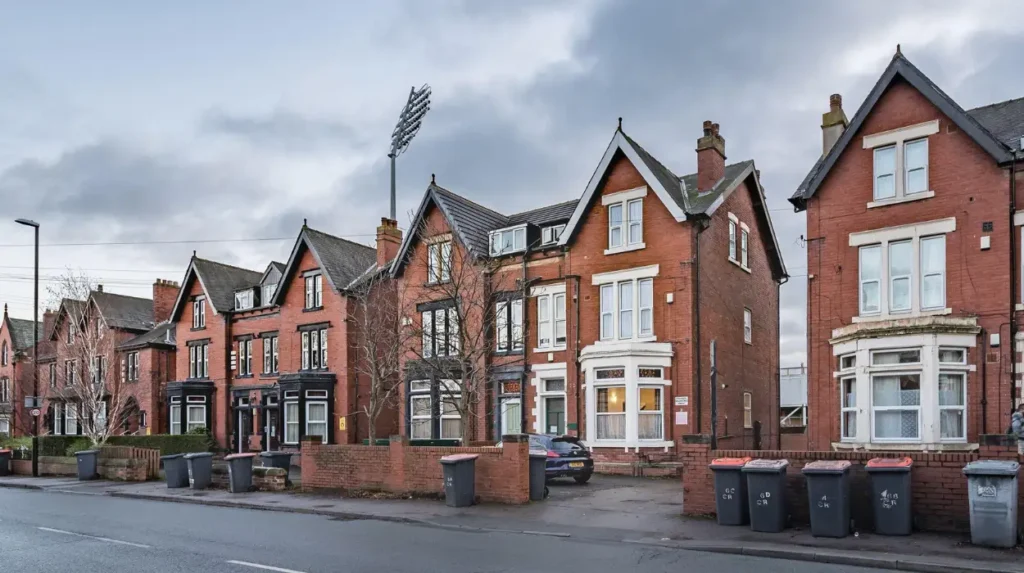
Headingley is a residential neighbourhood in north-west Leeds, West Yorkshire. Its housing includes traditional terraced properties, larger period houses, converted residential buildings and modern developments. Older properties contribute to the area’s architectural character, particularly around historic residential streets and established neighbourhoods.
Winter preparation involves more than switching on the central heating. Homeowners and tenants need to inspect roofs, gutters, lofts, walls, floors, windows, doors, pipework and ventilation systems. Early maintenance reduces the risk of heat loss, frozen pipes, condensation, mould and unexpected repair costs.
England’s older housing stock presents a significant energy-efficiency challenge. The 2023 English Housing Survey reported approximately 8.9 million homes built before 1945. Around 64% of these properties had uninsulated solid walls. This makes suitable insulation and building maintenance particularly important for owners of traditional Headingley homes. GOV.UK
Why Do Older Homes in Headingley Need Special Winter Preparation?
Older homes in Headingley need additional winter preparation because traditional construction, ageing building materials and outdated insulation increase heat loss. Roof maintenance, draught reduction, suitable insulation and ventilation help protect these properties from cold temperatures, moisture damage and unnecessary heating expenditure.
The age and construction of a property determine its winter maintenance requirements. Victorian and Edwardian houses frequently have solid brick walls, suspended timber floors, traditional sash windows and chimneys. These features require different maintenance approaches from modern cavity-wall properties.
Headingley’s established residential streets contain properties constructed before modern insulation standards became widespread. Some houses have undergone substantial renovation, while others retain original windows, floors, fireplaces and roof structures.
Older buildings also respond differently to changes in temperature and moisture. Traditional materials such as lime mortar, solid brickwork and timber absorb and release moisture. Inappropriate modern repairs interfere with this natural movement and create long-term building problems.
How Does Traditional Construction Affect Heat Retention?
Traditional solid-wall construction allows heat to escape through external walls more readily than properly insulated modern construction. Older timber windows, uninsulated roof spaces and gaps around doors also increase heat loss.
A suspended timber floor allows air to circulate underneath the property. This arrangement protects floor timbers from moisture but introduces cold air through gaps between floorboards and skirting boards.
Original fireplaces and unused chimneys create another potential source of heat loss. An open chimney allows warm indoor air to escape, particularly when the fireplace is not in use.
Which Older Properties Need the Most Attention?
Different property types require different winter maintenance priorities.
- Victorian terraces require attention to solid walls, roof insulation, sash windows and suspended floors.
- Edwardian houses require inspections of roof coverings, original timber features, fireplaces and external masonry.
- Converted flats require checks of shared roofs, communal heating arrangements and internal ventilation.
- Older stone and brick properties require appropriate pointing, rainwater management and moisture control.
Property age alone does not establish its condition. A recently renovated Victorian house with effective insulation performs differently from an unmaintained property of the same age.
What Are the Most Effective Ways to Insulate an Older Headingley Home?
Effective insulation starts with identifying how a property was constructed and where heat escapes. Loft insulation, suitable wall insulation, insulated pipework, hot-water cylinder jackets and floor improvements reduce heat loss while maintaining appropriate ventilation and protecting traditional building materials.
Insulation slows the movement of heat from warm indoor spaces towards colder external areas. It improves thermal comfort and reduces the amount of energy required to maintain indoor temperatures.
The most suitable insulation strategy depends on the property’s construction, existing insulation, ventilation and condition. Homeowners should arrange a professional assessment before installing insulation in older buildings.
How Does Loft Insulation Reduce Winter Heat Loss?
Loft insulation reduces heat transfer through the roof. Heat naturally rises, making an inadequately insulated roof space a significant source of energy loss.
Homeowners should inspect the loft before winter for damaged insulation, gaps, signs of water penetration and blocked ventilation openings.
The UK government recommends approximately 270mm of mineral wool insulation for a typical loft where this material is suitable. Existing insulation requires assessment before additional layers are installed.
Important considerations include:
- Maintaining ventilation at the roof eaves.
- Protecting water tanks and pipes against freezing.
- Avoiding compression of insulation beneath stored items.
- Keeping electrical equipment accessible and safe.
- Checking roof timbers for dampness and deterioration.
A professional installer should assess unusual roof structures and older buildings with moisture problems.
Is Cavity Wall Insulation Suitable for Older Houses?
Cavity wall insulation fills the gap between two external wall layers to reduce heat transfer. It is suitable only when the property has an appropriate cavity-wall construction and meets the installation requirements.
Many traditional Victorian and Edwardian houses have solid walls rather than cavity walls. These properties require a different insulation approach.
An installer should establish wall construction before recommending cavity insulation. Incorrect installation in unsuitable walls creates moisture problems and increases the risk of damage.
Should Older Homes Have Internal or External Wall Insulation?
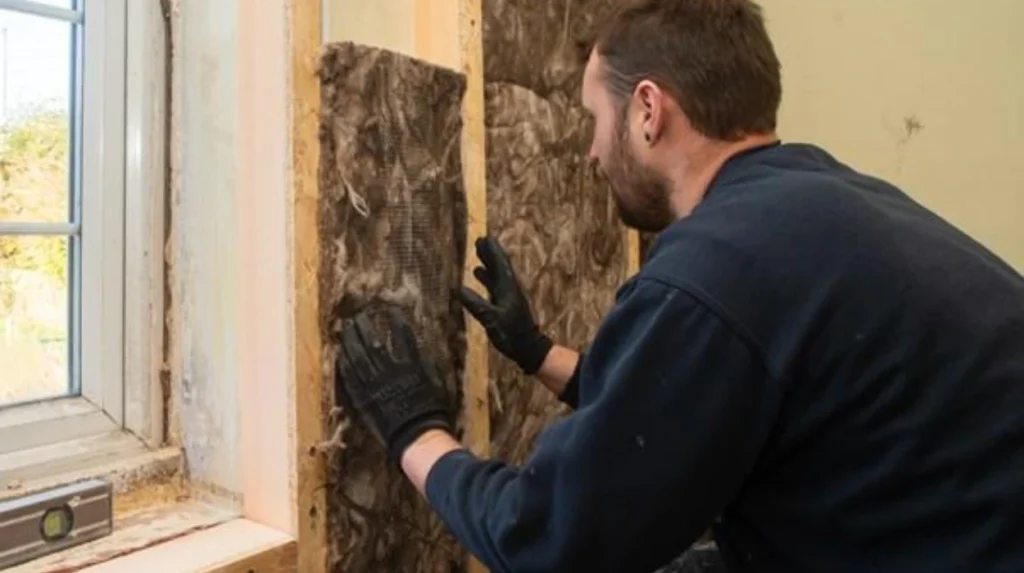
Internal wall insulation attaches an insulating layer to the inside of external walls. External wall insulation places insulation on the outside and covers it with a protective finish.
Both approaches reduce heat transfer through solid masonry walls.
Internal insulation reduces room dimensions and requires careful attention to window reveals, floors, ceilings and electrical fittings. Poor installation creates cold bridges, where heat escapes through areas without adequate insulation.
External insulation maintains more internal floor space but changes the external appearance of a building. This is particularly important in Headingley properties with traditional architectural features.
Historic England recommends assessing the significance and construction of traditional buildings before introducing energy-efficiency improvements. Breathable materials and appropriate moisture management are important considerations.
How Can Floors and Pipework Be Insulated?
Suspended timber floors lose heat through gaps between floorboards and through the uninsulated space underneath. Insulation fitted between floor joists reduces this heat loss.
Suitable floor insulation requires protection against moisture and appropriate support. Ventilation openings beneath suspended floors must remain unobstructed.
Other useful improvements include:
- Insulating exposed hot-water pipes.
- Fitting an appropriate hot-water cylinder jacket.
- Insulating heating pipes in unheated spaces.
- Sealing unwanted gaps around floorboards.
- Installing suitable insulation behind radiators on external walls.
The government’s Heat and Buildings Strategy identifies loft, floor, wall and heating-system insulation as important energy-efficiency measures.
How Can Homeowners Reduce Draughts in Older Headingley Properties?
Draught-proofing reduces uncontrolled air movement through gaps around windows, doors, floors and unused fireplaces. Suitable seals, window repairs, door brushes and chimney solutions improve comfort, reduce heat loss and preserve the original appearance of traditional properties.
Draught-proofing is one of the most accessible winter improvements for older homes. It targets openings that allow cold outdoor air to enter and warm indoor air to escape.
Traditional houses frequently have timber doors, sash windows, original floorboards and fireplaces. Their age and movement create small gaps that affect indoor comfort.
Energy Saving Trust recommends addressing unwanted draughts while maintaining sufficient ventilation for healthy indoor air quality.
How Should Traditional Sash Windows Be Draught-Proofed?
Sash windows consist of movable glazed sections that slide vertically within a frame. Traditional examples appear in many period properties.
Their original timber frames require careful maintenance because damaged paintwork, loose joints and worn seals allow cold air inside.
Appropriate improvements include:
- Installing discreet brush seals.
- Repairing loose window joints.
- Replacing damaged putty.
- Maintaining window locks and fittings.
- Using lined curtains to reduce heat loss.
- Considering secondary glazing where appropriate.
Secondary glazing adds an additional internal glazed panel without necessarily removing the original window. It improves thermal performance and reduces external noise.
Homeowners should obtain specialist advice before replacing original sash windows, particularly where architectural character requires protection.
What Is the Best Way to Draught-Proof External Doors?
External doors lose heat through gaps around their frames, letterboxes and thresholds.
Suitable weatherstripping creates a seal around the door perimeter. Door brushes and threshold seals reduce cold air movement underneath.
Traditional timber doors also require regular inspection. Damaged paint, deteriorating joints and moisture penetration reduce their durability.
Letterbox brushes and insulated covers provide additional protection against unwanted air movement.
How Can Unused Fireplaces and Chimneys Be Managed?
An unused fireplace allows warm indoor air to escape through the chimney. A suitable chimney draught excluder reduces this airflow.
Homeowners must distinguish between unused chimneys and working fireplaces. A working fireplace requires appropriate ventilation and professional chimney maintenance.
Never permanently block a chimney that serves an active appliance. A qualified professional should assess the fireplace and flue before fitting an exclusion device.
How Should Older Roofs, Gutters and External Walls Be Prepared for Winter?
Older roofs, gutters and external walls require inspection before winter rainfall and freezing temperatures. Repairing loose roof coverings, clearing rainwater outlets, maintaining pointing and identifying leaks prevents water penetration, structural deterioration and internal dampness.
Winter weather exposes weaknesses in ageing building materials. Rainwater enters through damaged roof coverings, blocked gutters and deteriorating mortar joints.
Repeated freezing and thawing also affect masonry. Water enters small cracks, freezes and expands, increasing the damage over time.
Regular exterior inspections help identify problems before they become expensive repairs.
What Should Homeowners Check on Traditional Roofs?
Roof inspections should cover the condition of tiles, slates, ridge coverings, flashing and chimney structures.
Traditional roofs in older Headingley properties frequently use pitched timber structures with slate or clay tile coverings.
Important inspection points include:
- Missing or slipped roof tiles.
- Cracked or damaged slates.
- Loose ridge tiles.
- Damaged lead flashing.
- Deteriorating chimney masonry.
- Signs of water penetration inside the loft.
Roof repairs involving height require appropriate equipment and professional contractors. Homeowners should not climb onto roofs to inspect damage themselves.
Why Should Gutters and Downpipes Be Cleared Before Winter?
Gutters collect rainwater from roof surfaces and direct it towards drainage systems. Leaves, moss and debris obstruct this process.
Blocked gutters cause overflowing water to run down external walls. Repeated exposure damages masonry, window frames and internal plaster.
Homeowners should inspect gutter joints, brackets, outlets and downpipes during autumn. Repairs should address leaks and poor drainage before sustained winter rainfall begins.
How Can External Brickwork and Mortar Be Protected?
Mortar holds masonry units together and protects joints against water penetration. Older houses frequently contain lime mortar, which differs from modern cement-based products.
Traditional lime mortar allows moisture to evaporate through the wall. Hard cement mortar creates a less flexible joint and interferes with moisture movement in some traditional buildings.
Repairs should use materials compatible with the existing construction. A conservation specialist or experienced traditional-building contractor should assess damaged historic masonry.
How Can Homeowners Prevent Damp, Condensation and Mould During Winter?
Preventing winter damp requires identifying moisture sources, repairing building defects, maintaining ventilation and providing adequate heating. Regular extractor-fan use, controlled window ventilation and prompt leak repairs reduce condensation and help prevent mould growth in older Headingley homes.
Damp and mould are common problems in buildings with insufficient ventilation, inadequate heating or water penetration.
Condensation develops when moisture in indoor air contacts a colder surface. Bathrooms, kitchens, bedrooms and poorly insulated external walls are particularly vulnerable.
Government guidance identifies condensation as a common cause of damp and mould. Moisture from cooking, bathing and drying clothes contributes to indoor humidity.
Why Does Condensation Develop in Older Houses?
Indoor air contains water vapour produced by everyday household activities.
When warm, moisture-laden air meets cold windows, walls or ceilings, water droplets form on the surface.
Older properties with single glazing, cold external walls and limited ventilation experience greater condensation risks.
Common warning signs include:
- Water droplets on window panes.
- Black mould around window frames.
- Musty smells in bedrooms.
- Damp patches behind furniture.
- Peeling paint and wallpaper.
- Persistent moisture around external walls.
These signs require investigation rather than simply covering the affected area with paint.
How Can Ventilation Reduce Mould Growth?
Ventilation removes moisture and indoor pollutants from occupied rooms.
Kitchen extractor fans should operate during cooking. Bathroom extraction should continue long enough after bathing or showering to remove excess moisture.
Trickle vents provide background ventilation where fitted. Opening windows briefly also helps replace humid indoor air with fresh outdoor air.
Homeowners should not block ventilation openings to prevent draughts. Doing so increases the risk of condensation and poor indoor air quality.
How Should Mould Be Addressed?
Mould treatment starts with identifying the source of moisture.
A leaking roof requires a roof repair. Failed plumbing requires a plumbing repair. Persistent condensation requires improvements to ventilation, heating and insulation.
Small areas of surface mould require appropriate cleaning precautions. Extensive or recurring mould requires professional assessment.
Tenants should report dampness, leaks and mould to their landlords in writing. Landlords in England have responsibilities relating to housing conditions and damp and mould hazards.
What Heating System Maintenance Should Be Completed Before Winter?
Heating preparation involves checking boilers, radiators, thermostats, controls and exposed pipework before temperatures fall. Annual servicing by qualified engineers, radiator bleeding and appropriate system insulation improve heating reliability and reduce the risk of winter breakdowns.
Heating systems experience greater demand during colder months. A poorly maintained boiler or inefficient radiator system increases running costs and reduces indoor comfort.
Older Headingley houses contain a mixture of traditional gas boilers, modern condensing boilers, electric heating and communal systems.
The correct maintenance programme depends on the installed equipment and manufacturer’s instructions.
Why Is Annual Boiler Servicing Important?
Boiler servicing checks the appliance’s operation, safety controls, combustion performance and ventilation arrangements.
Gas appliances must be inspected and serviced by appropriately qualified Gas Safe registered engineers.
A service should identify deterioration, potential faults and problems affecting safe operation.
Homeowners should arrange servicing before the coldest part of the year rather than waiting for a breakdown.
How Can Radiators Heat Older Rooms More Effectively?
Radiators transfer heat into indoor spaces through convection and radiation.
Air trapped inside a radiator reduces its heating performance. Bleeding the radiator releases trapped air and restores normal circulation when the system requires it.
Other useful maintenance includes:
- Checking radiator valves.
- Removing dust from radiator surfaces.
- Keeping furniture away from heat sources.
- Checking uneven heating across rooms.
- Using thermostatic radiator valves where suitable.
Radiator reflectors also reduce heat transfer through external walls when correctly installed.
Which Thermostat Settings Improve Heating Efficiency?
A room thermostat controls the heating system according to indoor temperature. Programmable thermostats allow households to schedule heating around occupancy.
Thermostatic radiator valves provide additional room-level control.
The most efficient schedule depends on the building, heating system and household requirements. Older houses with slower heating responses benefit from controls that account for their thermal characteristics.
Homeowners should follow the heating system manufacturer’s operating instructions and avoid allowing vulnerable pipework to freeze.
How Can Older Headingley Homes Be Protected Against Frozen Pipes?
Frozen pipes occur when water inside exposed pipework becomes cold enough to freeze and expand. Insulating pipes, protecting unheated spaces, maintaining suitable heating and locating the main stopcock reduce the risk of winter plumbing emergencies.
Older properties frequently contain water pipes beneath suspended floors, inside lofts, along external walls and within unheated cupboards. These locations experience lower temperatures during prolonged cold weather.
A frozen pipe restricts water flow and increases the risk of a burst pipe. When frozen water expands, it places pressure on pipe joints and surrounding materials.
Which Pipes Need Winter Protection?
Homeowners should identify exposed plumbing before winter begins.
Particular attention is necessary for:
- Pipes running through loft spaces.
- Water supply pipes beneath suspended floors.
- Pipework inside garages and outbuildings.
- Pipes close to external walls.
- Condensate pipes connected to modern boilers.
Foam pipe insulation protects suitable exposed pipework. Homeowners should select insulation with an appropriate diameter and thickness.
Water tanks in loft spaces also require suitable insulation. Their lids and surrounding pipework need protection against freezing temperatures.
What Should You Do if a Pipe Freezes?
If a pipe freezes, turn off the water supply if a leak or burst pipe is suspected. Open the affected tap and use gentle warmth to thaw accessible frozen sections.
Never use a blowtorch, naked flame or boiling water to thaw plumbing.
If a pipe bursts, locate the main stopcock and shut off the water. Switch off electricity in affected areas where it is safe to do so and contact a qualified plumber.
Homeowners should identify their stopcock location before an emergency occurs.
How Should Boiler Condensate Pipes Be Protected?
Modern condensing boilers produce wastewater that travels through a condensate pipe. External sections are particularly vulnerable to freezing.
Insulating exposed sections with suitable weather-resistant pipe insulation reduces this risk.
Citizens Advice recommends using a warm cloth or hot-water bottle to thaw an accessible frozen condensate pipe. Boiling water should not be used because it can damage plastic pipework.
What Winter Maintenance Is Required for Traditional Windows, Doors and Timber Features?
Traditional windows, doors and timber features need regular inspection to prevent moisture penetration, heat loss and deterioration. Repairing damaged paintwork, maintaining window seals, treating vulnerable timber and protecting exposed joints extend their lifespan and improve winter performance.
Period properties often retain original timber features that require specialist maintenance. Replacing these components unnecessarily removes original architectural details and creates additional costs.
Timber expands and contracts as temperature and moisture levels change. Poor paintwork, failed joints and prolonged exposure to rain increase the likelihood of deterioration.
How Should Timber Window Frames Be Maintained?
Homeowners should inspect timber frames for peeling paint, cracked putty, damaged joints and soft areas.
Damaged paintwork exposes timber to moisture. Suitable preparation, repairs and repainting protect the surface.
Window repairs should preserve original profiles wherever practical. Specialist joiners understand traditional sash mechanisms and the repair requirements of older windows.
How Can External Doors Be Protected?
Traditional timber doors require protection against rainwater and prolonged moisture exposure.
Check door frames, thresholds, hinges, locks and weather seals. Repair deteriorating paintwork using suitable exterior finishes.
A properly maintained door improves security and reduces uncontrolled air movement.
Why Should Window Replacements Be Considered Carefully?
Modern double-glazed windows improve thermal performance, but replacement is not always necessary.
Secondary glazing provides an alternative for traditional windows. It retains the original external appearance while creating an additional insulating layer.
Historic England identifies secondary glazing, shutters and suitable draught-proofing as practical energy-efficiency improvements for traditional buildings.
What Should Tenants in Headingley Know About Preparing Older Rented Homes for Winter?
Tenants should report heating failures, leaking roofs, damaged windows, frozen pipes and damp problems to their landlords promptly. Landlords have legal repair and housing-condition responsibilities, while tenants should follow reasonable property-care instructions and maintain appropriate everyday ventilation.
Headingley contains privately rented houses, student accommodation and converted residential properties. Older rented buildings require the same attention to insulation, heating and moisture management as owner-occupied homes.
However, tenants should distinguish between everyday household responsibilities and repairs that belong to the landlord.
Which Winter Repairs Are Landlords Responsible For?
Under the Landlord and Tenant Act 1985, landlords generally have repair obligations covering the structure and exterior of rented homes, including roofs, walls, drains and external windows.
The legislation also covers installations for water, gas, electricity, sanitation, space heating and water heating.
The exact responsibilities depend on the tenancy arrangement and applicable legislation.
The Homes (Fitness for Human Habitation) Act 2018 also requires relevant rented properties to remain fit for human habitation throughout the tenancy.
Tenants should report problems promptly and retain photographs, correspondence and repair records.
What Should Tenants Check Before Winter?
Tenants should inspect accessible areas and report maintenance concerns before cold weather becomes severe.
Important checks include:
- Whether the heating system works properly.
- Whether external doors close securely.
- Whether windows show signs of water penetration.
- Whether bathroom extractor fans operate.
- Whether visible pipes have suitable insulation.
- Whether ceilings show signs of leaks.
- Whether mould or condensation keeps returning.
Tenants should not undertake structural repairs or modify heating installations without the landlord’s permission.
How Should Tenants Report Damp and Mould?
Tenants should provide a written description of the affected rooms, visible damage and any recurring moisture problems.
Photographs provide useful evidence of the condition and progression of the problem.
Landlords should investigate the underlying cause and arrange appropriate repairs. Government guidance emphasises addressing building defects, improving ventilation and maintaining suitable heating to manage damp and mould. GOV.UK
Do Conservation Rules Affect Winter Improvements to Older Headingley Homes?
Conservation rules influence alterations to traditional properties where architectural or historic character receives protection. Homeowners should check planning requirements before changing windows, roofs, external insulation, doors or other visible building features within designated conservation areas.
Headingley contains established residential streets and buildings with historic architectural features. Some properties sit within designated conservation areas, while individual buildings can also have listed status.
Leeds City Council manages conservation-area protections across the district. Its published information identifies 80 conservation areas and explains how planning controls protect their architectural character. leeds.gov.uk
What Is a Conservation Area?
A conservation area is a designated location recognised for its special architectural or historic interest.
Designation protects the character and appearance of the wider area rather than only individual buildings.
Some permitted development rights are restricted within conservation areas. This affects certain external alterations, including cladding, rendering, roof extensions and some solar-panel installations.
Homeowners should check the property’s precise location and relevant planning requirements before commissioning external improvements.
Do Listed Buildings Have Additional Requirements?
Listed buildings receive statutory protection because of their special architectural or historic interest.
Listed building consent is generally required for alterations that affect the building’s special character, including certain internal and external works.
Replacing original windows, altering historic fireplaces or introducing insulation that affects significant architectural features requires careful consideration.
How Can Energy Efficiency Be Improved Without Damaging Historic Features?
Traditional-building improvements should respect existing materials and construction methods.
Suitable approaches include:
- Repairing existing timber windows.
- Installing discreet draught-proofing.
- Adding secondary glazing.
- Insulating accessible loft spaces appropriately.
- Improving heating controls.
- Maintaining traditional mortar joints.
- Installing suitable internal insulation following a building assessment.
Homeowners researching the architectural background of the neighbourhood should also explore [Insert Anchor Text for Headingley’s Historical Architecture and Heritage Article Here]. Understanding the origins of traditional buildings helps explain why their original materials and construction details require appropriate maintenance.
What Financial Support Is Available for Improving Older Homes in Headingley?
Financial support for home improvements depends on household circumstances, property eligibility, income and the available government or local authority schemes. Homeowners and tenants should check current insulation grants, energy-efficiency programmes and local eligibility requirements before arranging installations.
Insulation, heating upgrades and roof repairs require different levels of investment. Financial assistance helps eligible households improve property efficiency and reduce energy costs.
Government programmes change over time, so applicants should check current conditions rather than rely on outdated eligibility information.
Can Households Receive Support Through the Energy Company Obligation?
The Energy Company Obligation, commonly called ECO, has supported energy-efficiency improvements in eligible homes.
Previous ECO programmes helped qualifying households access measures such as insulation and heating improvements.
The availability of individual schemes and their application arrangements changes. Households should check current government announcements and energy supplier information before applying.
What Is the Great British Insulation Scheme?
The Great British Insulation Scheme was introduced to improve insulation in eligible homes, particularly properties with lower energy-efficiency ratings.
It is important to check current programme status and application deadlines because schemes have defined operating periods and eligibility requirements.
Homeowners should not assume that an older Headingley property automatically qualifies for funding.
Where Can Residents Find Local Advice?
Useful organisations include:
- Leeds City Council for local housing and planning information.
- Energy Saving Trust for insulation and energy-efficiency guidance.
- Citizens Advice for energy costs and consumer rights.
- Historic England for traditional-building conservation advice.
- Ofgem for information about energy regulation and support programmes.
Residents should obtain written quotations and confirm installer qualifications before agreeing to substantial work.
Explore More Area Guide
Headingley Energy-Efficient Homes: Savings & Advice
Headingley Composting Guide: Reduce Household Food Waste in Leeds
What Winter Preparation Checklist Should Headingley Homeowners Follow?
A practical winter checklist helps homeowners identify maintenance problems before freezing temperatures and heavy rainfall arrive. Inspecting the roof, insulation, heating, plumbing, windows and ventilation each autumn improves property safety, reduces heat loss and prevents avoidable winter repairs.
A planned inspection makes winter maintenance easier to manage. Homeowners should divide tasks into exterior maintenance, insulation improvements, heating checks and indoor moisture control.
Autumn Home Preparation Checklist
Inspect roof tiles, slates and chimney flashingClear gutters and check downpipesInspect external walls and mortar jointsCheck loft insulation and roof ventilationDraught-proof suitable windows and external doorsInspect timber frames and repair damaged paintworkInsulate exposed water pipes and hot-water cylindersArrange an annual boiler serviceCheck radiators, thermostats and heating controlsTest smoke and carbon monoxide alarmsClean and test kitchen and bathroom extractor fansInspect ceilings and walls for damp or mouldLocate the main water stopcockCheck external drainage and outdoor taps
Which Tasks Should Be Prioritised?
Roof leaks, unsafe heating appliances, burst pipes and significant damp problems require immediate attention.
Insulation upgrades and window improvements can be planned according to property condition and available budgets.
Decorative improvements should follow essential repairs. Painting over damp walls without resolving the underlying problem does not provide a permanent solution.
When Should Winter Maintenance Begin?
September and October provide a useful preparation period for Headingley homeowners.
Autumn inspections allow time to arrange professional repairs before winter weather increases demand for contractors.
Heating systems should be serviced before sustained cold weather. Gutters and external drainage should also be checked after autumn leaves have accumulated.
Why Is Preparing Older Headingley Homes for Winter Important for the Future?
Preparing older Headingley homes for winter protects traditional buildings, improves energy efficiency and supports comfortable residential living. Regular maintenance, appropriate insulation and responsible conservation help preserve architectural character while making older properties more resilient to changing weather conditions.
Winter preparation has long-term benefits beyond immediate household comfort.
Energy-efficient improvements reduce unnecessary heating demand. Proper ventilation protects indoor air quality, while effective rainwater management reduces moisture-related building deterioration.
The English Housing Survey 2023–2024 highlights the challenges facing older properties. Approximately 8.9 million English homes were constructed before 1945, and 64% of those properties had uninsulated solid walls. These findings demonstrate the importance of improving the thermal performance of traditional housing. GOV.UK
How Does Energy Efficiency Support Property Longevity?
A properly maintained building experiences fewer problems associated with uncontrolled moisture, damaged roofing and deteriorating external materials.
Suitable insulation improves indoor comfort without requiring excessive heating. Compatible repair materials protect traditional masonry and timber.
These improvements also support future property maintenance by identifying defects before they become more extensive.
Why Does Traditional Building Conservation Matter?
Headingley’s older properties contribute to the architectural identity of north-west Leeds.
Preserving original windows, doors, masonry and roof details maintains the historic character of residential streets.
Energy-efficiency improvements should complement rather than unnecessarily replace these features.
Homeowners who understand traditional construction can make better decisions about insulation, ventilation and maintenance.
What Is the Long-Term Outlook for Older Homes?
Energy efficiency is increasingly important in the UK housing sector. Improving older buildings supports lower household energy demand, better indoor comfort and greater resilience to changing weather conditions.
The most effective approach combines routine maintenance with carefully selected improvements. Homeowners should assess the entire building rather than installing individual insulation products without considering ventilation, moisture and construction.
For Headingley residents, preparing older homes for winter is an essential part of responsible property ownership and long-term building conservation.
How can I prepare an older home in Headingley for winter?
Start by inspecting the roof, gutters, windows, doors, loft insulation and heating system. Seal unwanted draughts, insulate exposed pipes, check ventilation and repair damp problems before temperatures fall.